Paying what was never paid
I designed the web prototype of new fee charged by Lima Airport.
As Innovation Specialist, I designed the TUUA Transfer web payment flow to solve the lack of a fee collection channel for connecting passengers, working with the airport's central departments. Today, the implemented system collects this fee from 130,000+ international transfer passengers each month.
Pay for a plane change.
Pain point between flights.
The passenger journey
- Arrive on international flight
- Pay Transfer feeThe missing channel
- Pass eGate and turnstile
- Board next international flight
A physical-digital model. The fee is paid inside the airport, mid-connection. Three staffed points carry most payments, issuing a bar-code sticker for the boarding pass. A web channel, exclusive to this fee, lets passengers skip peak-hour queues with a QR. Both end at the eGate.
Can't collect the fee.
The income at stake.
- 1Feb 2001The concessionLAP begins operating Jorge Chávez under concession with Peruvian State.
- 2Mar 2013An income promiseAmendment N°6 allows transfer fees upon delivery of new terminal.
- 3Jun 2025The terminal opensThe fee becomes chargeable, but no mechanism exists to collect it.
- 4Aug 2025Commercial termsLAP and Airlines negotiated fee collection inside the ticket.
- 5Oct 2025Mechanism readyImplementation of fee mechanism at the airport, led by LAP Finance.
The fee at today's volume
130,000 × $10.05 ÷ 30 days. $10.05 is the fee before 18% IGV, which makes it $11.86. Lima Airport keeps 53.489%; the State takes 46.511% as royalty under the concession. An estimate at today's volume, not a measured loss.
Key divisions.
Main contributions.
Strong tie
Medium tie
Weak tie
External, by role
Delivered artifacts.
The deliverables I produced.
-
Illustration
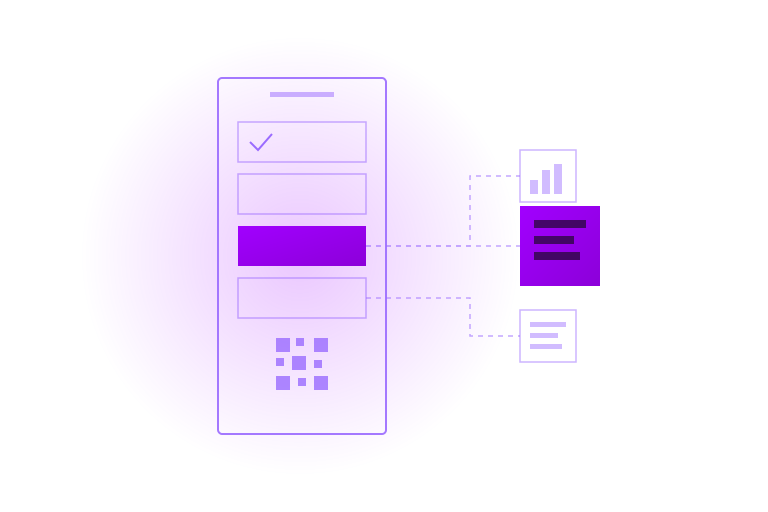
Technical scopes
01 · Platform scope
Passenger side: data capture, card payment, and an e-receipt with an eGate QR. Back office: sales reports reconciled with gateway and real-time sync with airport's fee system, sized for 4 million+ passengers a year.
-
Illustration
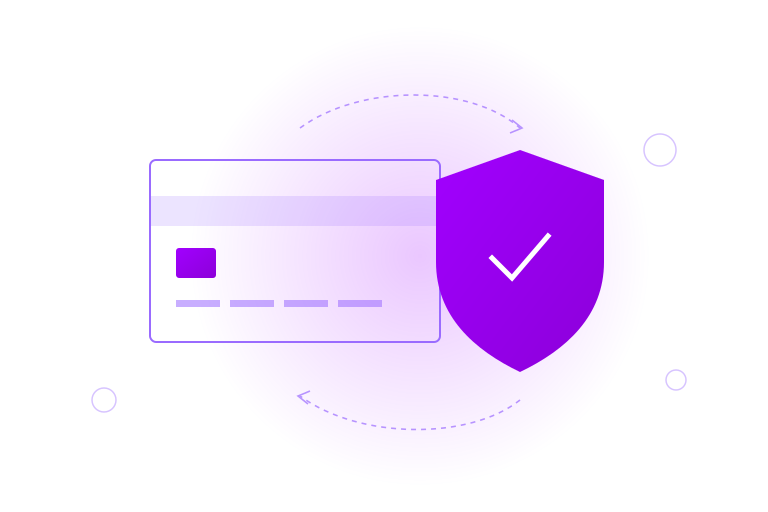
Technical scopes
02 · Payment gateway scope
E-payments confirmed in real time, returning the data for e-receipt and access QR. PCI DSS certified, 99.9% availability and peaks of 1,500 transactions an hour, with daily reconciliation and chargeback reports.
-
Illustration
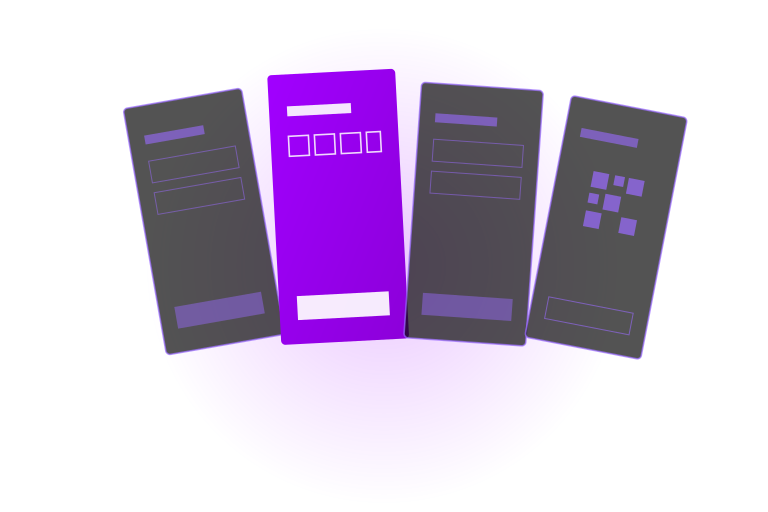
Experience
03 · Screen mockup and web prototype
Four mobile screens: personal data, email code, card payment and the QR ticket for the eGate. A clickable mockup of the full flow was used in the web review with stakeholders.
See the screens -
Illustration
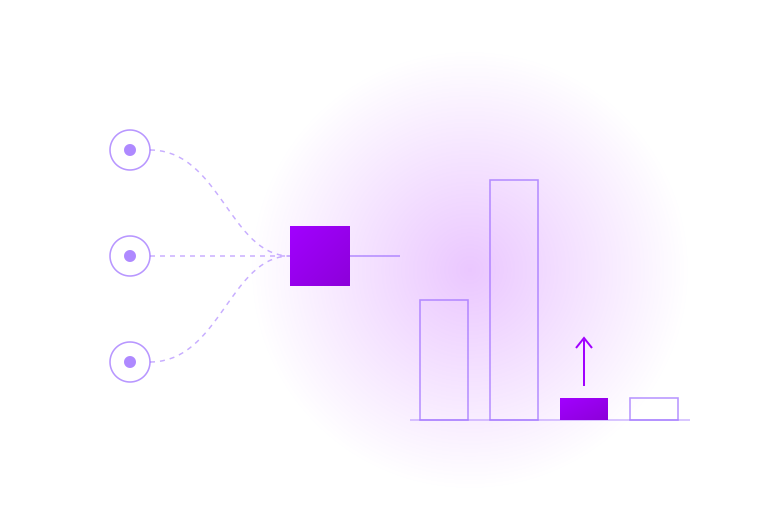
Operations
04 · Operational casuistry
Three models of e-payment in transport put initial web adoption at 5–7% of int-int passengers. Demand was split across web, cash desks, eGate POS and mobile POS, so PlanOps could size counters and queues.
-
Illustration
Operations
05 · Process map
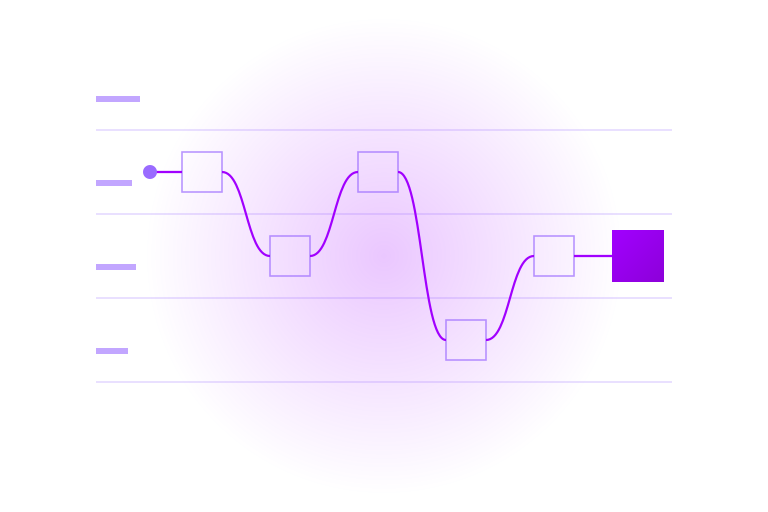
A service blueprint of the payment experience, differentiating tasks performed by the passenger, front office, back office and automation.
See the flowchart
From sign-up to eGate.
The payment flow I designed.
The four screens
Personal details
Enter your details to continue.
Name Full name Email [email protected] RegisterCode validation
Enter the code sent to the email you registered.
Validate Resend codeChange emailPayment method
Select how to pay.
VISA Card number •••• •••• •••• •••• CVV ••• PayTicket details
No. TT-0000000
Scan the QR code at the eGate.
Download receiptReceipt and QR code sent to your email.
Screens are redrawn from my 2025 proposal.
User flow – online payment
Unlocked tasks.
Continuing the work.
- 1DesignFrom data capture to QR ticket
- 2PrototypeClickable flow for stakeholder review
- 3EvaluationOnline test and field observation
- 4HandoffScopes, mockup, casuistry and map
- 5More screensMinor adjustments to my proposal
- 6BuildBy Lima Airport (IT Architecture)
- 7DeploymentCollection live since Dec 2025
- 8OperationEnabled before queues in the terminal
Changes to the flow.
One year later.
- 1HomepageAn entry page explains the fee first
- 2EligibilityA click instead of an automatic check
- 3Flight details and feeTotal amount shown earlier
- 4Customer detailsMoved from my first screen to the fourth
- 5Payment controlWhere the review stops
Public, unauthenticated pages only. No transaction submitted, no data sent.
Disclosure notes
My participation. I understand the platform's mechanism and contributed to its UX/UI design — not its development, deployment or operation. Work testimony available upon formal request.
What's next: a lower fee, inside the ticket. In July 2026, LAP proposed cutting the fee from $10.05 to $6.40 + IGV and moving it into the ticket. Airlines haven't agreed; collection in the terminal continues.
My stance on the fee. Designing its collection channel doesn't make me a party to the fee itself. Whether it continues is for Peru's Judiciary to decide: in June 2026, a Lima court allowed a constitutional challenge to proceed, while collection continues.
Keep exploring
Read the case closest to yours.
-
Illustration
BANKING
Yape photo says paid. This app validates it safely.
Trust & Verify: a React and TypeScript app that lets a merchant check a Yape payment is genuine. Built in under a week.
Access Brief -
Illustration
SPORTS
Boosting media teams at the FIFA World Cup 2026.
AccreditaPass: a Blazor and .NET app that tracks the whole journey of journalists across 3 countries and 16 stadiums. Built in five weeks.
Access Brief -
Illustration

SOFTWARE
How I built this website with no coding degree.
DesignOps System: from a single page to a bilingual multi-page site in Vanilla HTML, CSS and JavaScript code. Built in five months.
Access Brief